Montasio PDO Cheese in the mediterranean diet

Whether eaten as a snack, a main course, grated over pasta dishes or served as a dessert, cheese is a fundamental part of our diet — it’s a staple that never fails to appear on our tables.

Doctors, nutritionists, and health experts all agree: the consumption of milk and dairy products brings significant benefits to the body, thanks especially to their content of proteins, calcium, fats, vitamins, and essential minerals.

Following a varied and balanced diet, as recommended by the Mediterranean diet, can help maintain a healthy lifestyle in line with nutritional guidelines, while also supporting a more sustainable production model that values local supply chains. In this dietary pattern, cheese plays a central role.

What does a balanced diet mean?

A balanced diet doesn’t mean restriction — it means variety, moderation, and awareness. It’s based on the proper balance of macronutrients (carbohydrates, proteins, and fats) and micronutrients (vitamins and minerals), all essential for the body to function properly.

Following a healthy diet means:
– Ensuring the right amount of energy: by properly distributing macronutrients throughout meals
– Varying your food sources: alternating foods to ensure all necessary bioactive compounds are included
– Respecting portions: consuming foods in the right quantities and frequency, a key element of proper nutritional education

Diet plans should always be developed according to the nutrient and energy reference values defined by LARN (Reference Intake Levels of Nutrients, 5th revision 2024) and the Guidelines for Healthy Eating (CREA, 2018) — the two main documents for nutritional planning in Italy.

These guidelines state that energy needs must always be calculated by considering:
– Gender, age, and level of physical activity
– Physiological condition (e.g. pregnancy or athletic activity)
– Proper distribution of macronutrients

According to the same guidelines, the daily energy distribution among meals should be as follows:
Breakfast: 15–20%
Lunch: 35–40%
Dinner: 30–35%
Snacks: 10% (split between mid-morning and mid-afternoon)

How much cheese should you eat per week?

Experts recommend consuming milk and its derivatives — such as yogurt and ricotta — daily in portions of around 150–200 ml. Cheese, including Montasio PDO, should ideally be included 2–3 times per week (as suggested by CREA guidelines), ensuring variety among the protein sources in the diet.

However, recommendations regarding how much and how often cheese should be consumed can vary depending on several nutritional and clinical factors.

Compared to other sources of protein — like meat, fish, and eggs — cheese provides a higher nutrient density. For equal portions (100 grams), cheese contains about 25 grams of protein, whereas white meat and lean fish contain around 20 grams.

As a general guideline, the recommended portions vary depending on the cheese’s aging. For fresh cheese, the suggested portion is about 100 grams, while for aged cheese, the recommended portion is around 50 grams. However, aged cheese can be consumed daily if grated; for example, a sprinkle of aged cheese, such as Montasio Stravecchio, over pasta or risotto corresponds to approximately 10 grams.

In addition, aged cheeses are more calorie-dense than fresh ones (as shown in the comparison table below), mainly because of their higher concentration of proteins, calcium, sodium, and vitamins.
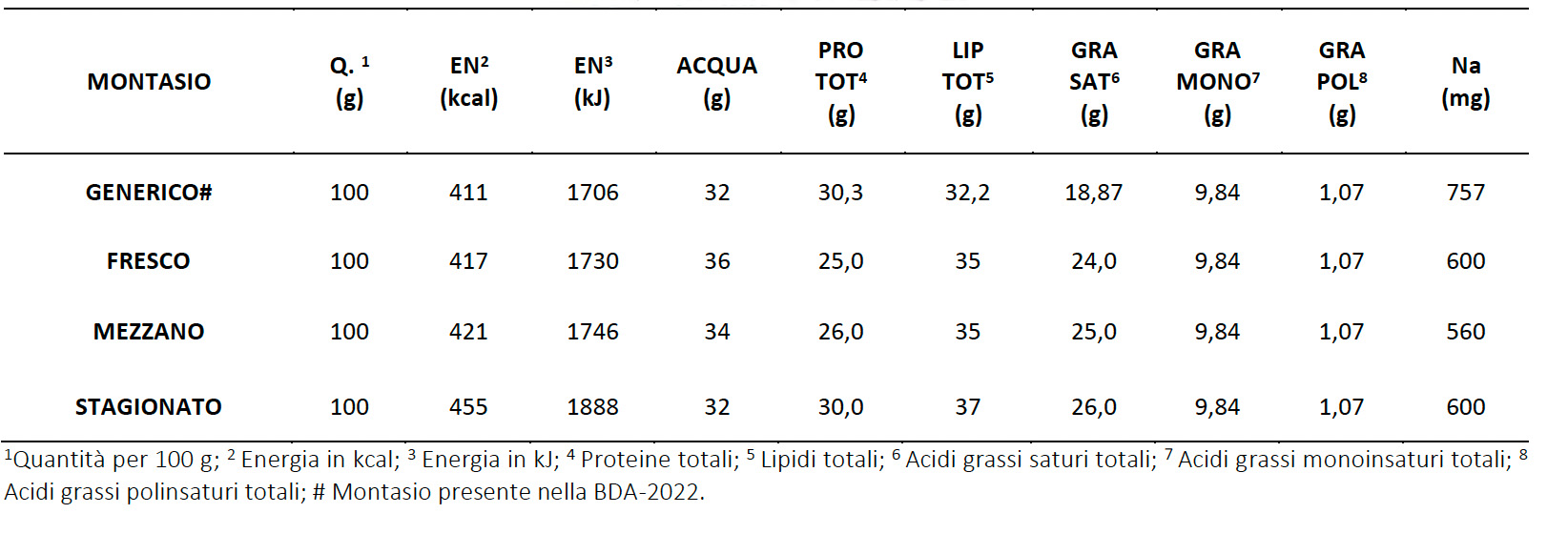
Nutritional values for Montasio “fresh”, “medium-aged”, and “aged” varieties compared with data from BDA-2022

Nutritional values for Montasio “fresh”, “medium-aged”, and “aged” varieties compared with data from BDA-2022

A balanced diet includes the consumption of cheese because it can contribute to overall dietary balance. As a dairy product, cheese is rich in calcium and phosphorus, two of the most important nutrients for children during their growth phase, as well as for older adults who are prone to osteoporosis. Additionally, thanks to its quick energy supply, it is also an ideal food for athletes.

With Montasio PDO, everyone can enjoy their own moment of pure flavor.


The information in this article is intended for educational and informational purposes only. It is not a substitute for professional medical advice or guidance. For a personalized dietary plan suited to your specific needs, health status, or medical conditions, always consult your physician or a qualified nutritionist/dietitian.
Montasio DOP a Friuli DOC 2025

Montasio DOP at Friuli DOC 2025

There are aromas and flavours that can turn an entire city into a celebration. From 11 to 14 September 2025, the city of Udine will once again come alive for the 31st edition of Friuli DOC, the major annual event that brings together the very best of Friuli’s food and wine tradition.


And of course, Montasio PDO cheese — one of the true symbols of our region — could not be missing! Once again this year, it will take centre stage with three special tasting events designed to introduce visitors to all the nuances of a cheese that, through its flavour, tells the story of the strength and heritage of our local cheesemaking tradition.


Our events at Friuli DOC 2025

Friday 12 September – 12:00 PM

📍 Loggia del Lionello

TASTING | Montasio PDO Cheese: A Timeless Flavour

Organised by the Consortium for the Protection of Montasio PDO Cheese

Admission by reservation only (maximum 40 participants). Book your place on the Municipality of Udine website here.


Saturday 13 September – 10:30 AM

📍Giardino del Torso

TASTING | Flavours in Balance: Montasio Meets Balsamic. Balsamic vinegar paired with Montasio PDO cheese.

Organised by Confagricoltura FVG in collaboration with the Consortium for the Protection of Montasio PDO Cheese

Admission by reservation only – Info: confagricolturafvg@gmail.com or +39 0432 507013


Saturday 13 September – 3:30 PM

📍 Loggia del Lionello

TASTING | Montasio PDO Cheese: A Timeless Flavour

Organised by the Consortium for the Protection of Montasio PDO Cheese

Admission by reservation only (maximum 40 participants). Book your place on the Municipality of Udine website here.


The tastings will be led by the technical experts of the Montasio Consortium, Elena Mitri and Luca Menegoz, who will guide visitors through a unique journey of aromas, textures and values linked to a cheese that, for centuries, has been synonymous with quality, identity and a deep connection to the land.


We look forward to welcoming you to Friuli DOC 2025 to celebrate together the flavour of our tradition!

For more information, visit www.friulidoc.it


Montasio DOP & picnic d’estate: 3 idee sfiziose da mettere nel cestino

Montasio PDO & Summer Picnics: 3 Tasty Ideas for Your Basket

For us, summer isn’t measured in degrees, but in light-hearted feelings. It’s that sudden urge to kick off your shoes, sit on the ground, and eat with your hands. It’s the freedom of picking a meadow over a table—and doing it with flavor and style.

So, what goes into the picnic basket? Forget the usual sad salads and tired sandwiches. Today, we’re going on a flavorful journey through Northeastern Italy with our favorite sidekick: Montasio PDO.

Here are three delicious, practical, summer-friendly, and original recipes to pack in your picnic basket—alongside a good bottle and the joy of unwinding.

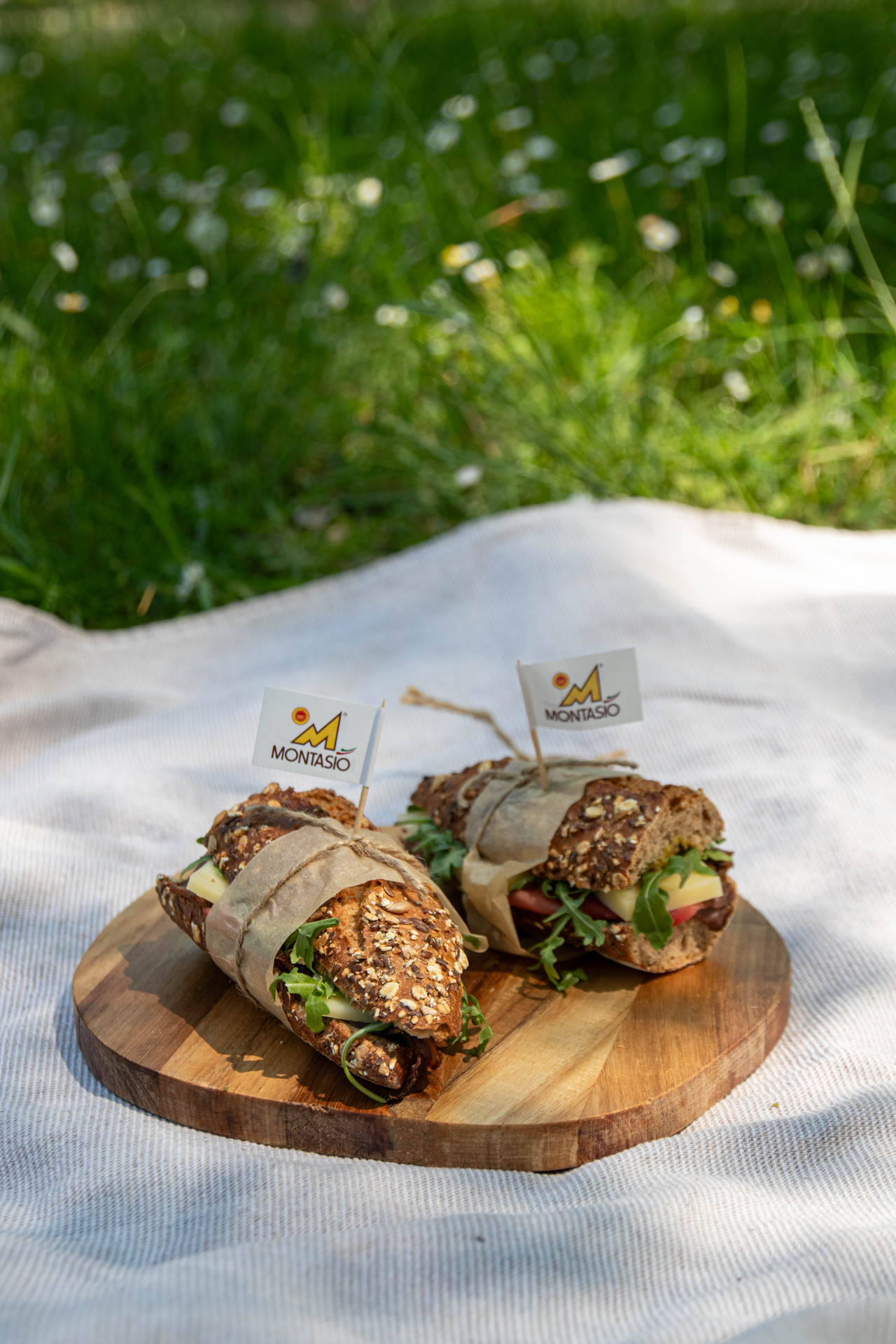
Roast beef sandwich with fresh Montasio, arugula, and mustard

The picnic sandwich is a classic, but we’re turning it into a little symphony of flavors.

Take a rustic bun or ciabatta, spread a bit of mustard (mild or spicy, your call), layer on some thin slices of roast beef, a generous amount of finely sliced fresh Montasio, and a good handful of arugula.

The result? A summer-ready sandwich that’s hearty yet refined—perfect to eat with one hand while holding a cool drink in the other.

Roast beef sandwich with fresh Montasio, arugula, and mustard


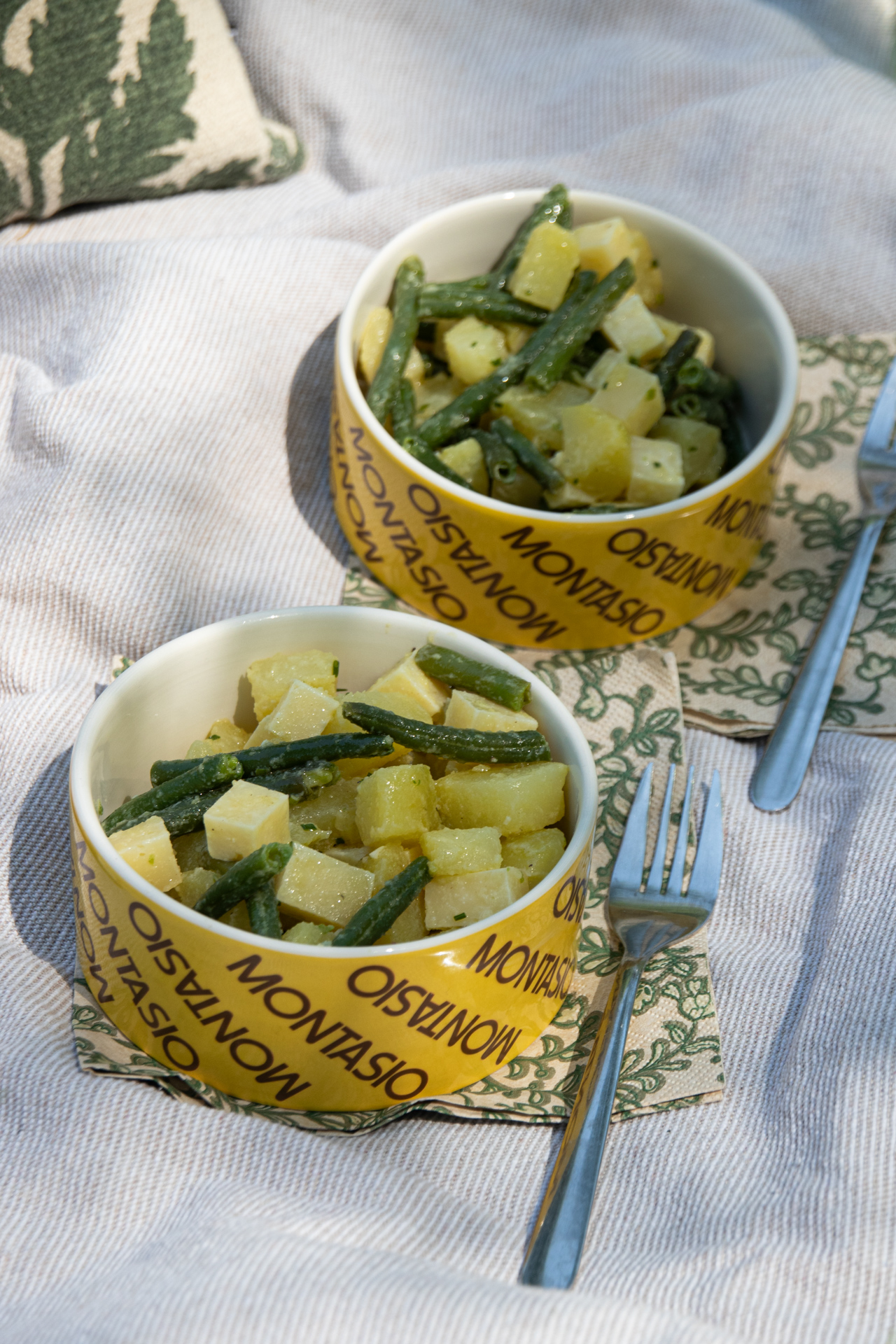
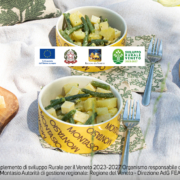
Potato, green bean and Montasio salad: a comforting classic

Simple, delicious the next day, and (bonus!) heat-proof.

Boil some potatoes and green beans (or swap in arugula for a peppery kick), let them cool, then toss with diced Montasio mezzano. Dress with extra virgin olive oil, a pinch of salt, pepper, and a few fresh basil leaves—then chill in the fridge.

This salad travels easily in a jar, is great cold, and makes for a savory treat you can take anywhere.

Potato, green bean and Montasio salad: a comforting classic

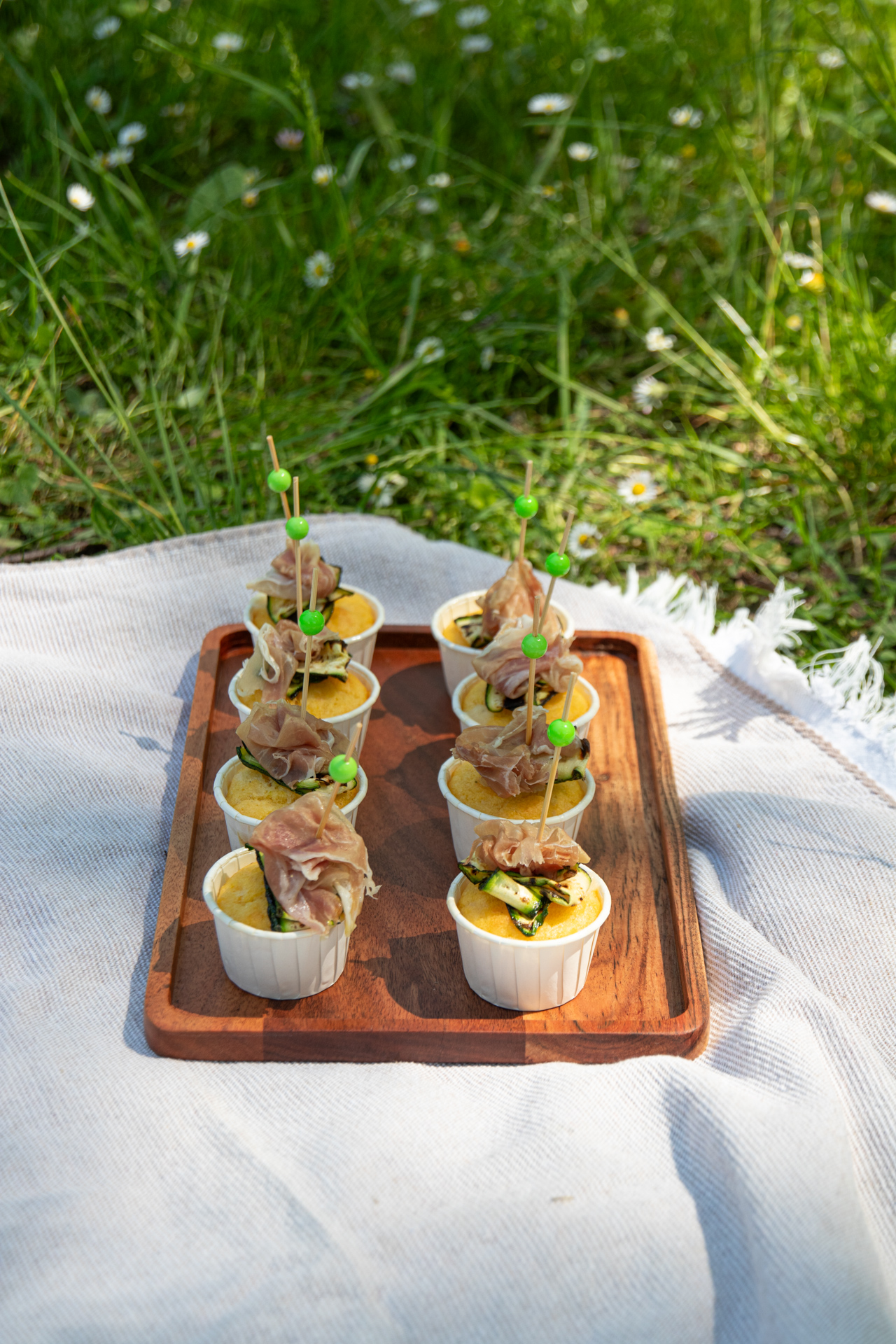
Savory muffins with aged Montasio, cured ham, and grilled zucchini

Savory muffins are picnic perfection: make-ahead, mess-free, and easy to hold.

Prepare a basic muffin batter (eggs, flour, milk, EVOO, baking powder), then add in diced grilled zucchini, bits of cured ham, and a generous handful of grated aged Montasio.

Bake, cool, pack them up—and watch them disappear before you even get the blanket on the grass.


Il ritmo antico della transumanza: un viaggio sostenibile tra monti e valli

The ancient rhythm of transhumance: a sustainable journey through mountains and valleys

The transhumance of cattle: a distant echo that still resonates today, an ancestral practice steeped in wisdom and respect for nature. It is the rhythmic movement of flocks and herds, a seasonal waltz that leads the animals from the lush pastures of the plains or rolling hills to the crisp air and high-altitude pastures during the warmer months. A simple and powerful spectacle, an indissoluble bond between man, animal and mountain, which enchants the eye and nourishes the soul of those fortunate enough to witness it.

Once upon a time, in the small mountain villages, mountain pasturing was experienced as a real celebration: people looked out of their windows and, with joy and admiration, greeted the shepherds as they accompanied their cattle to high altitudes. They knew that the summer would not be easy, but they were aware that their sacrifice would bring sustenance and wealth for all.

Farming in the valleys is traditionally based on the seasonal movement of livestock between different altitudes, with the aim of making the best possible use of the mountain’s fodder resources. In the summertime, most farmers would entrust their animals to trusted people so that they could stay on the meadows to make hay and perform other tasks. The mountains, in fact, offer fresh pastures with plenty of grass that provide optimal nutrition for the animals. In addition, moving livestock to higher altitudes allows the lowlands to regenerate, thus maintaining an ecological and sustainable balance.

One of the most appreciated aspects of mountain pasturing is the superior quality of the products obtained. The milk, for example, is particularly rich and aromatic thanks to the mountain herbs on which the animals feed. This is reflected in the cheeses, butters and other dairy products that acquire unique organoleptic characteristics that are often highly appreciated by consumers. Products such as ‘alpine cheese’ or ‘malga cheese’ are testimonies of this tradition and represent gastronomic excellences recognised locally and internationally.

But like every natural cycle, this too comes to an end. With the approach of autumn and the first signs of cold weather, the reverse occurs: demontrification. The cattle, robust and nourished by the summer pastures, return to the valley, ready to face the winter season

Transhumance is still today an example of ante litteram sustainability that continues to shape the mountain landscape and provide products of the highest quality, a culture still alive and felt by Alpine communities, as is still the case today on the Jôf di Montasio in the Julian Alps. Here it is possible to taste Montasio PDM, or ‘Prodotto di Montagna’ (Mountain Product), so called due to the fact that all stages of the chain, from feeding the cows, to milking and the processing and maturing phases, take place in mountain territory.

Protecting and enhancing this tradition means not only honouring a past rich in history and hard work, but also promoting a development of the mountains that is harmonious, respectful of the environment and capable of guaranteeing a prosperous future for the communities that inhabit and guard them.

Come conservare il formaggio Montasio in frigorifero

How to Properly Store Cheese: A Practical Guide

Have you bought a piece of cheese and don’t know how to store it properly to maintain its unique taste and freshness? Read this guide to discover the best storage practices.

How to Store Cheese in the Refrigerator?

The first rule to remember is that cheese needs to be stored at the right temperature to preserve its quality.

However, keep in mind that each type of cheese has different needs:

Fresh cheeses should be kept in their original packaging or airtight containers to prevent them from absorbing unwanted odors. These cheeses should be stored at a temperature between 2°C and 4°C, preferably in the lower section of the fridge.

Semi-hard and hard cheeses, such as Montasio cheese, should be wrapped in food-grade paper or a cotton cloth. This helps maintain the right level of humidity while allowing air circulation to prevent excessive drying. The ideal storage temperature is between 8°C and 10°C.

Aged cheeses should be stored on the middle shelves of the fridge, where the temperature is between 6°C and 8°C. Wrap them in special cheese paper or cotton cloths to allow proper aging without suffocating them.


What if cheese develops mold?

It’s not uncommon for cheese to develop mold, but there’s no need to panic.

For aged or semi-aged cheeses, simply remove the affected area, and the rest of the cheese will still be safe to eat. However, if mold appears on your favorite soft cheese (such as stracchino), unfortunately, it’s best to discard it to avoid unpleasant surprises!


Can I freeze Montasio cheese?

Some cheeses can be frozen, but we do not recommend freezing Montasio cheese. Extreme temperature changes can alter its texture and organoleptic properties.

For the best tasting experience, always consume cheese fresh to fully appreciate its aroma and complex flavors.


Keep cheese away from other foods

One important rule for proper cheese storage is to prevent direct contact with other foods, especially unwashed vegetables, raw meat, or eggs, which could transfer bacteria or unwanted mold.
Additionally, cheese easily absorbs surrounding odors, which can alter its authentic taste. To preserve its quality and fragrance, store it in separate containers or wrap it individually, keeping it away from other foods in the fridge.


A simple tip for the best tasting experience: before serving, take the cheese out of the refrigerator one to two hours in advance. At room temperature, you’ll be able to fully appreciate its rich flavors and delicate aromas.

By following these simple tips, you’ll enjoy your favorite cheeses at their best, keeping them fresh and delicious for longer!

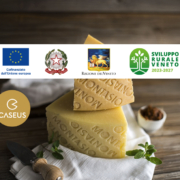
Montasio DOP at Caseus 2024

On 5 and 6 October 2024, the magnificent setting of Villa Contarini in Piazzola sul Brenta (Padua) will host the twentieth edition of Caseus, the event celebrating the excellence of our region’s dairy production.
This year, alongside the traditional regional competition for the best cheese in Veneto, the event will also feature the Festival of Veneto PDOs, an opportunity to discover and promote the dairy products made in these lands. Among the key protagonists of this important showcase is Montasio DOP, one of the flagship products of the dairy tradition of Friuli Venezia Giulia and Eastern Veneto.
Through guided tastings, cooking shows, the pizza area, and educational seminars, Caseus 2024 offers an extraordinary opportunity to experience firsthand the quality of Montasio DOP, as well as its history and artisanal production process, which still faithfully preserves the traditions of the past. At the same time, the event aims to encourage greater consumer awareness when choosing PDO products and certified supply chains.
Visitors will also have the chance to taste the giant Montasio Frico prepared by the Associazione Gruppo Amici della Nostra Famiglia of Sterpo.
For the Consorzio di Tutela del Formaggio Montasio DOP, taking part in Caseus represents an opportunity to highlight the importance of quality and the deep connection with the local area — an essential value that has defined our production for centuries.