
Energy and Nutrition: Montasio PDO Cheese in an Athlete’s Diet

Physical activity is essential for both physical and mental well-being. Whether it’s competitive sports or regular exercise, movement stimulates our metabolism and strengthens the cardiovascular and musculoskeletal systems. However, training alone isn’t enough: to maximize benefits and ensure optimal recovery, a balanced and targeted diet is key.

A proper diet for athletes must cover not only the increased energy requirements, but also the structural needs (proteins) and functional needs (micronutrients and hydration). The Montasio PDO Cheese Consortium, in collaboration with nutrition experts from the University of Udine, has examined how Montasio PDO cheese can be incorporated into such dietary plans.

Nutritional values for active individuals

Carbohydrates are the body’s preferred energy source, especially for the muscles. They are stored as glycogen in the liver and muscles, serving as a crucial reserve for prolonged or intense effort.
Proteins are not only necessary for building muscle but also for repairing the microtears that occur during training. For this reason, athletes require a higher protein intake than sedentary individuals.
Fats play a vital role too—not only as an energy reserve but also for the absorption of fat-soluble vitamins (A, D, E, and K) and for maintaining cellular integrity.
Moreover, micronutrients like calcium are essential for muscle contraction, nerve transmission, and, particularly for athletes, bone health and density, which are stressed by physical activity.

Thanks to its high protein and calcium content, Montasio PDO cheese represents a strategic functional food for athletes. Its nutritional qualities, combined with its versatility, make it easy to meet energy and recovery needs in a tasty and balanced way.

The nutritional plan for active women

For a young woman engaged in regular and intense physical activity (PAL = 2), the daily energy requirement is around 2,800 kcal. The higher energy expenditure compared to a sedentary lifestyle requires a proportional increase in complex carbohydrates and proteins to support both performance and muscle recovery.

The menu designed by nutritionists includes several dishes rich in complex carbohydrates — such as rosemary focaccia filled with Montasio, ham, and spinach, or carbohydrate-based dishes like purple potato gnocchi with Montasio fondue and leek and Montasio risotto — and rich in proteins, such as roasted chicken pocket stuffed with Montasio and peppers.

In this plan, cheese helps increase the intake of protein and calcium without excessive saturated fats, thanks to the choice of younger-aged varieties. The overall nutrient balance aligns with the needs of an active woman, ensuring good energy supply and an appropriate lipid profile.

The nutritional plan for active men

For a young man with a high level of physical activity, the daily energy requirement is around 3,800 kcal. The nutritional model focuses on high energy and protein density, essential to support metabolism and muscle synthesis.

The suggested plan includes energy-dense dishes such as beef cubes with Montasio and dandelion infusion, paired with lighter, vegetable-rich dishes that ensure balance and micronutrient intake, like grilled eggplant with Montasio and tomato. Overall, the plan demonstrates how Montasio PDO cheese can be integrated into high-calorie diets while maintaining both balance and variety.


The information in this article is intended for educational and informational purposes only. It is not a substitute for professional medical advice or guidance. For a personalized dietary plan suited to your specific needs, health status, or medical conditions, always consult your physician or a qualified nutritionist/dietitian.
 

Montasio PDO during pregnancy: how to include cheese in your diet

If you are pregnant, you have probably received countless tips on what to eat, and at times may have felt confused. Pregnancy is a unique period in every woman’s life: a time of anticipation, emotion, and transformation, during which the body prepares to welcome and nourish a new life.
During these months, every choice—from diet to physical activity—takes on even greater significance. Eating well means nourishing yourself consciously, in a balanced and complete way, supporting the intake of nutrients essential for the growth and well-being of both mother and baby.

Thanks to the collaboration between the Montasio PDO Cheese Consortium and the scientific committee of the University of Udine, we have developed an approach that combines the science of proper nutrition with the pleasure of the table, showing that eating healthy during pregnancy can be both simple and delicious!

The importance of a balanced diet during pregnancy

During pregnancy, both energy and nutrient needs change. Although calorie requirements increase gradually (mainly from the second trimester), the need for certain micronutrients rises significantly.

Nutritional guidelines for pregnancy highlight the importance of:
protein intake: essential to support fetal tissue synthesis and maternal tissue growth.
calcium: adequate intake (up to 1,200 mg/day) is crucial for proper fetal bone mineralization and to prevent maternal bone demineralization.
Iron and folates: vital to prevent anemia and support the development of the fetal central nervous system.
Fats and essential fatty acids: needed to sustain the baby’s brain and visual development.
Fiber, vitamins, and minerals: daily consumption of vegetables and fruit rich in these elements — and in fiber — is fundamental
Hydration: drink plenty of water.
Meal frequency: divide meals into breakfast, lunch, dinner, and snacks to maintain stable blood sugar levels.
Physical activity: moderate exercise is recommended for both maternal and fetal health (with medical approval).
Food safety: pay close attention to food selection and preparation to minimize contamination risks.

Nutritional plan for pregnant women

A pregnancy nutrition plan should be varied and based on the correct distribution of macronutrients for a healthy diet: 21% of daily energy from proteins, 28% from fats, and 48% from carbohydrates.
Montasio PDO cheese, thanks to its content of bioavailable calcium and high-quality proteins, can be considered a valuable ingredient to help meet some of the increased nutritional needs during this phase.

To make your meals more tasty and nutritious, you can include Montasio PDO cheese:
For lunch, try bread gnocchi stuffed with Montasio served with a creamy leek sauce (combining carbohydrates, proteins, and essential fats).
For dinner, a dish like sole fillets with Montasio and walnuts promotes the intake of important components such as polyunsaturated omega-3 fatty acids, calcium, and high-quality proteins.

This balanced and flavorful menu shows how it is possible to combine healthy dietary choices with the pleasure of the table, thanks to mindful choices and high-quality ingredients like Montasio PDO cheese.


The information in this article is intended for educational and informational purposes only. It is not a substitute for professional medical advice or guidance. For a personalized dietary plan suited to your specific needs, health status, or medical conditions, always consult your physician or a qualified nutritionist/dietitian.
Nutrition and Sedentary Lifestyle: How to Build a Tasty and Balanced Diet

Many of us lead a lifestyle that requires long hours of sitting, whether at the office or at home. While a sedentary routine is often difficult to change radically, the good news is that we have full control over what we eat.

It’s not about drastic restrictions, but about making more conscious choices. The Montasio Consortium relies on nutritional guidelines developed in collaboration with industry experts to guide you in discovering a balanced and enjoyable diet, showing how a high-quality PDO cheese can be integrated into a healthy eating plan.

Essential Nutrients You Should Never Miss

Prioritize complex carbohydrates rich in fiber, such as whole grains. These foods help prevent sudden spikes in blood sugar, which can cause cravings, and help maintain steady energy levels. Portion control, however, remains important to avoid excess intake.
Even without intense physical activity, your body still needs high-quality proteins to maintain muscle mass and support overall health. Proteins also promote a lasting sense of fullness, acting as a natural safeguard against hunger spikes.
When it comes to fats, the key is their source. While saturated fats should be limited, “good” fats — unsaturated and omega-3 — are essential for cell function and cardiovascular health.
Finally, don’t forget vitamins and minerals, abundantly supplied by fruits and vegetables. These micronutrients regulate metabolic processes, while calcium plays a crucial role in maintaining bone strength, which can otherwise weaken in the absence of regular physical activity.

The Nutrition Plan for Sedentary Women

The plan designed for adult sedentary women provides about 2,000 kcal per day and serves as a model for a healthy, varied, and sustainable diet. The daily menu includes five meals (breakfast, snack, lunch, afternoon snack, and dinner) with a balanced macronutrient distribution: 20% protein, 27% fat, and 49% carbohydrates.

Protein sources include fish, white meat, legumes, and dairy products — among which Montasio PDO cheese stands out. Fats come mainly from extra virgin olive oil, and carbohydrates are supplied through whole grains, fruits, and vegetables to ensure sufficient fiber intake.

In the proposed menu, Montasio cheese is featured in two moments of the day:
– Breakfast: whole-grain bread, orange or citrus marmalade, low-fat yogurt (fruit, unsweetened), and nuts
– Mid-morning snack: whole-grain crackers
– Lunch: turkey breast, basmati rice, red radicchio, extra virgin olive oil, whole-grain bread
– Afternoon snack: sweet ravioli with apples, Montasio cheese, and raisins
– Dinner: trout cloud with chives and Montasio fondue, rye-wheat bread, spinach, extra virgin olive oil, pear

The Nutrition Plan for Sedentary Men

For adult sedentary men, daily energy needs are slightly higher — around 2,400 kcal per day, with the following macronutrient distribution: 15% protein, 32% fat, and 48% carbohydrates.

This plan features simple, nutritious recipes, ideal for those with demanding work schedules who still want to maintain a balanced and enjoyable diet. Montasio cheese is included as a functional element in main meals, such as risotto with peas, Montasio, and radishes, or spinach and Montasio flan, alternating between different aging levels to adjust both flavor and fat content.


The information in this article is intended for educational and informational purposes only. It is not a substitute for professional medical advice or guidance. For a personalized dietary plan suited to your specific needs, health status, or medical conditions, always consult your physician or a qualified nutritionist/dietitian.
Balanced Nutrition for Children Aged 8–9: How to Include Cheese in Their Diet

“What should I cook for my kids?” How many times have you asked yourself this question while shopping or planning meals? The ages between 8 and 9 are a period of rapid growth and high energy needs. Your child doesn’t just need to be fed — they need the right fuel to build strong muscles and bones, stay focused at school, and enjoy their everyday activities to the fullest.

Which nutrients are essential? What are the right portions? To answer some of the most common questions, the team of nutritionists from the University of Udine, in collaboration with the Montasio PDO Cheese Consortium, has developed a daily menu that follows the latest LARN (Reference Intake Levels) guidelines and ensures the perfect balance between science, taste, and quality.

Essential Nutrients for Children’s Growth

Proper dietary planning for school-aged children is based on rigorous scientific principles, essential for supporting optimal growth and development. Our approach aligns with the most recent LARN recommendations regarding energy and nutrient intake (5th revision, 2024) and relies on the nutritional values from the BDA tables (2022), with a particular emphasis on nutrient quality.

The energy needs of an 8- to 9-year-old child (approximately 1800 kcal/day) should be met through a varied diet that respects the correct distribution of macronutrients. In terms of daily frequency, it is crucial to ensure at least 5 servings of seasonal fruits and vegetables (i.e., 2–3 servings of fruit and 2–3 servings of vegetables) to provide essential fibers, vitamins, and minerals.

Regarding structural macronutrients, carbohydrates should provide 51% of total daily calories, fats 29%, and proteins 16%. These percentages may vary slightly depending on a child’s age and weight, as well as their level of physical activity.

Making meals enjoyable for children

The proposed meal plan includes Montasio PDO cheese in two main meals, favoring the fresh or semi-aged varieties:
– spiedino al Montasio
– tortino di spinaci e Montasio

In this way, by consuming controlled portions of Montasio cheese, it is possible to contribute to an adequate intake of protein, balanced fats, and calcium, while also promoting local food culture from an early age.


The information in this article is intended for educational and informational purposes only. It is not a substitute for professional medical advice or guidance. For a personalized dietary plan suited to your specific needs, health status, or medical conditions, always consult your physician or a qualified nutritionist/dietitian.
Bioactive Peptides and the Gut Microbiota: Results from a Scientific Study on Montasio PDO

Cheese is one of the most beloved foods in our culinary tradition, but also one of the most debated when it comes to diet and wellness. Between myths to debunk and accurate information, consumers often find themselves confused about its real benefits.

To shed light on the topic, the Montasio PDO Protection Consortium involved nutrition experts from the University of Udine to present the results of studies conducted on Montasio PDO cheese, focusing on digestive processes observed in laboratory settings and their interactions with microorganisms and bioactive molecules.

We interviewed Prof. Nadia Innocente, lecturer and project coordinator, and Prof. Marilena Marino to understand how Montasio cheese can positively influence our health.


What functional potential did you observe in Montasio DOP cheese? What are its benefits for our body?

Prof. Nadia Innocente, lecturer and project coordinator at the University of Udine, responds

We analyzed Montasio cheese at different stages of maturation, from 2 to 25 months, to determine whether small protein fragments known as bioactive peptides form during the aging process. These peptides are studied for their potential properties, such as antioxidant, antimicrobial, and antihypertensive activity, as well as for their possible positive effects on the gut microbiota.
Our goal was to understand whether Montasio also possesses this type of functional potential and how it changes over time.


What happens to peptides during cheese maturation?

Prof. Nadia Innocente, lecturer and project coordinator at the University of Udine, responds

During the aging process, the proteins present in the cheese are hydrolyzed by proteolytic enzymes, leading to the formation of small- and medium-sized peptides and amino acids. We observed that the amount of peptides increases gradually and reaches a peak particularly between 12 and 18 months of maturation.
Moreover, over time the average size of the peptides decreases, resulting in a higher proportion of smaller peptides, which are also those with the greatest potential bioactive properties.


Regarding antimicrobial activity, does Montasio cheese really protect against certain bacteria?

Prof. Nadia Innocente, lecturer and project coordinator at the University of Udine, responds

We tested the effect of the peptides on four well-known pathogenic microorganisms: Listeria, Staphylococcus aureus, Escherichia coli, and Salmonella.
The results of our laboratory tests show that Montasio peptides are capable of slowing the growth of some of these bacteria, particularly during the early months of aging.
This is a promising indication, consistent with what is already known for other types of cheeses.


Can Montasio DOP cheese be considered a source of probiotic microorganisms?

Prof. Marilena Marino, lecturer at the University of Udine, responds

Montasio cheese is certainly a natural source of potentially probiotic microorganisms.
What we observed is that lactic acid bacteria, which mainly come from the milk, are able to partially survive in the finished product. We also found that many of these bacteria, depending on the aging process, can reach the intestine alive, where they can positively interact with the human microbiota, improving microbial balance and immune function.
In this sense, Montasio, especially in its fresh or semi-aged versions, can be considered a “probiotic-like food” — a food that delivers live microorganisms with potential beneficial effects on the gut microbiota.


Is there a difference between Fresh and Aged Montasio in terms of microorganisms?

Prof. Marilena Marino, lecturer at the University of Udine, responds

Yes, there is a significant difference.
In fresh Montasio, lactic acid bacteria are still alive and active, playing a direct role: they can reach the intestine and “communicate” with the gut flora.
In aged Montasio, most microorganisms are no longer alive, but the cheese retains bioactive molecules, such as peptides, organic acids, and cellular components, which continue to exert positive effects. This is known as a “postbiotic” effect—benefits remain even when the bacteria are no longer alive.

In practice: fresh Montasio delivers live bacteria; aged Montasio delivers their beneficial traces.


What happens in our gut when we eat Montasio DOP cheese?

Prof. Marilena Marino, lecturer at the University of Udine, responds

During digestion, the proteins and fats in cheese are broken down, releasing small bioactive fragments and nutrients that reach the colon.
In the lab, we simulated this process and observed that Montasio residues stimulate the growth of beneficial bacteria such as Bifidobacterium, Faecalibacterium, and Blautia, all associated with a healthy gut.
We also observed a small but consistent increase in Akkermansia, a bacterium that helps maintain a strong intestinal barrier.
This means Montasio components can promote a more balanced and active gut flora, contributing to overall well-being.


The study highlighted how the presence of probiotic microorganisms and bioactive peptides in Montasio DOP cheese, at different aging stages, positively contributes to the modulation of the microbial community and its metabolic activity.

Choosing a PDO cheese like Montasio means introducing into your balanced diet not just a traditional product, but above all a food that can be part of a well-rounded diet, contributing essential nutrients that support gut health.


The information contained in this article, derived from a research and experimental project conducted by scientific experts, is intended for educational and informational purposes only. The results mentioned, particularly those concerning bioactive peptides and the microbiota, are based on preliminary in vitro analyses (i.e., conducted in the laboratory) and should not be interpreted as proven health claims for human consumption. For the development of a personalized dietary plan or for any guidance related to medical conditions, you are always advised to consult your physician or a specialized nutritionist/dietitian.

Montasio PDO Cheese in the mediterranean diet

Whether eaten as a snack, a main course, grated over pasta dishes or served as a dessert, cheese is a fundamental part of our diet — it’s a staple that never fails to appear on our tables.

Doctors, nutritionists, and health experts all agree: the consumption of milk and dairy products brings significant benefits to the body, thanks especially to their content of proteins, calcium, fats, vitamins, and essential minerals.

Following a varied and balanced diet, as recommended by the Mediterranean diet, can help maintain a healthy lifestyle in line with nutritional guidelines, while also supporting a more sustainable production model that values local supply chains. In this dietary pattern, cheese plays a central role.

What does a balanced diet mean?

A balanced diet doesn’t mean restriction — it means variety, moderation, and awareness. It’s based on the proper balance of macronutrients (carbohydrates, proteins, and fats) and micronutrients (vitamins and minerals), all essential for the body to function properly.

Following a healthy diet means:
– Ensuring the right amount of energy: by properly distributing macronutrients throughout meals
– Varying your food sources: alternating foods to ensure all necessary bioactive compounds are included
– Respecting portions: consuming foods in the right quantities and frequency, a key element of proper nutritional education

Diet plans should always be developed according to the nutrient and energy reference values defined by LARN (Reference Intake Levels of Nutrients, 5th revision 2024) and the Guidelines for Healthy Eating (CREA, 2018) — the two main documents for nutritional planning in Italy.

These guidelines state that energy needs must always be calculated by considering:
– Gender, age, and level of physical activity
– Physiological condition (e.g. pregnancy or athletic activity)
– Proper distribution of macronutrients

According to the same guidelines, the daily energy distribution among meals should be as follows:
Breakfast: 15–20%
Lunch: 35–40%
Dinner: 30–35%
Snacks: 10% (split between mid-morning and mid-afternoon)

How much cheese should you eat per week?

Experts recommend consuming milk and its derivatives — such as yogurt and ricotta — daily in portions of around 150–200 ml. Cheese, including Montasio PDO, should ideally be included 2–3 times per week (as suggested by CREA guidelines), ensuring variety among the protein sources in the diet.

However, recommendations regarding how much and how often cheese should be consumed can vary depending on several nutritional and clinical factors.

Compared to other sources of protein — like meat, fish, and eggs — cheese provides a higher nutrient density. For equal portions (100 grams), cheese contains about 25 grams of protein, whereas white meat and lean fish contain around 20 grams.

As a general guideline, the recommended portions vary depending on the cheese’s aging. For fresh cheese, the suggested portion is about 100 grams, while for aged cheese, the recommended portion is around 50 grams. However, aged cheese can be consumed daily if grated; for example, a sprinkle of aged cheese, such as Montasio Stravecchio, over pasta or risotto corresponds to approximately 10 grams.

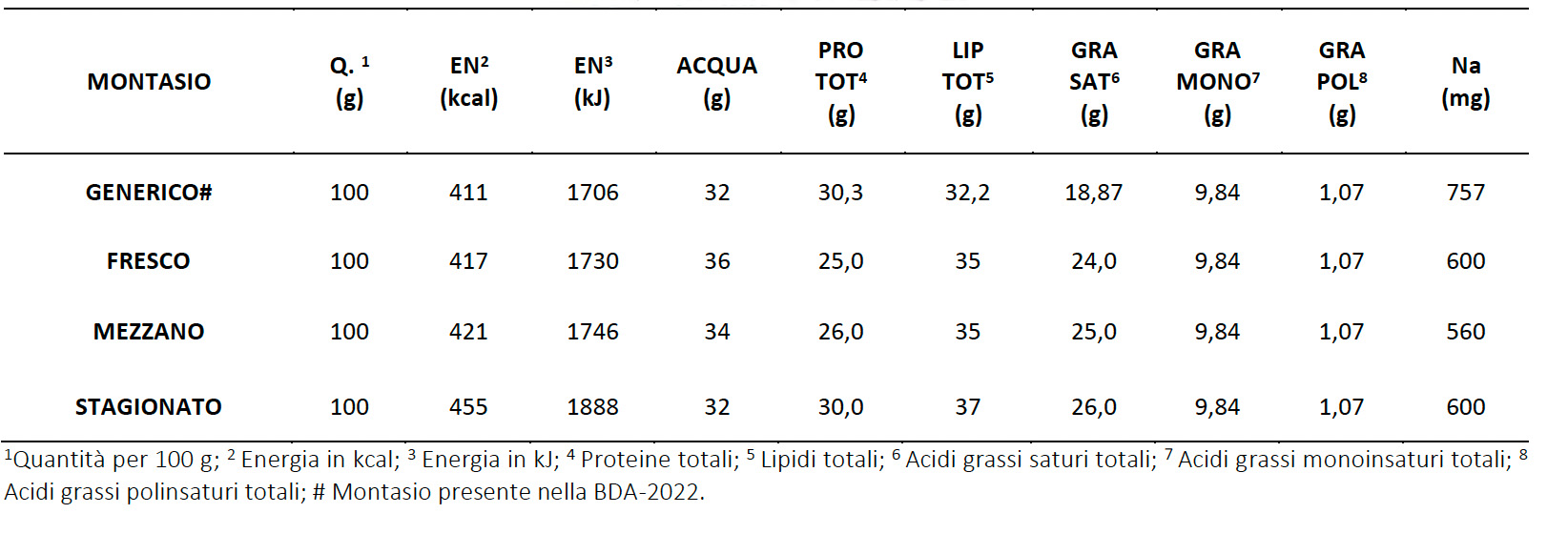
In addition, aged cheeses are more calorie-dense than fresh ones (as shown in the comparison table below), mainly because of their higher concentration of proteins, calcium, sodium, and vitamins.

Nutritional values for Montasio “fresh”, “medium-aged”, and “aged” varieties compared with data from BDA-2022

Nutritional values for Montasio “fresh”, “medium-aged”, and “aged” varieties compared with data from BDA-2022

A balanced diet includes the consumption of cheese because it can contribute to overall dietary balance. As a dairy product, cheese is rich in calcium and phosphorus, two of the most important nutrients for children during their growth phase, as well as for older adults who are prone to osteoporosis. Additionally, thanks to its quick energy supply, it is also an ideal food for athletes.

With Montasio PDO, everyone can enjoy their own moment of pure flavor.


The information in this article is intended for educational and informational purposes only. It is not a substitute for professional medical advice or guidance. For a personalized dietary plan suited to your specific needs, health status, or medical conditions, always consult your physician or a qualified nutritionist/dietitian.
Panzanella estiva con Montasio Stravecchio e pomodorini

Panzanella with Aged (Stravecchio) Montasio and Cherry Tomatoes

When the sun gets warmer and the air smells like summer, there’s only one thing we crave: a fresh, light dish that recharges us with flavour. Something that can be prepared ahead of time, without turning on the stove, and that brings real, seasonal ingredients to the table—with a touch of originality. That’s why we came up with our own version of panzanella, enriched with Montasio cheese: a blend of tradition and creativity, perfect for summer days.

Panzanella was originally a humble dish, created to bring new life to stale bread using a few fresh ingredients. In our version, we’ve added a star ingredient: Montasio Stravecchio DOP, whose crumbly texture and bold flavour pair beautifully with crunchy vegetables and rustic bread.


Ingredients for 4 servings:

400 g red and yellow cherry tomatoes
50 g roasted red peppers in oil
50 g stale ciabatta bread
Aged Montasio cheese (Stravecchio)
Fresh basil
Balsamic vinegar
Extra virgin olive oil
Salt and pepper

Cut the stale bread into rough cubes and toast it in a pan with a drizzle of olive oil. Transfer to a large bowl and let it cool.

Meanwhile, quarter the cherry tomatoes and roasted peppers. Add them to the bowl with the toasted bread, some flakes of aged Montasio, and fresh basil torn by hand. Season with salt, pepper, a splash of balsamic vinegar and olive oil. Mix well and let rest in the fridge for at least 30 minutes before serving.

Want to take it up a notch? Add some olives (black, green, Taggiasca—whatever you prefer), a handful of capers, or some red onion (for a milder taste, soak it in vinegar for about 10 minutes). Thanks to its intense flavour, Montasio Stravecchio goes well with any variation.


With this revamped panzanella, we’re celebrating summer and the joy of simple, tasty food.

Scegli le montagne delle Alpi Giulie per le vacanze estive

Why choose the Friuli Venezia Giulia mountains for your summer holidays

The clean, fresh air, the wide meadows rich with flowers and aromatic herbs, cows grazing peacefully, the quiet and calm of silence, hikes through the woods, and breaks at mountain huts to taste local products—these are just some of the reasons why people choose to spend their holidays in the mountains.

It’s an experience you can live on the Montasio Plateau, among the mountains of Friuli Venezia Giulia. Choosing a mountain vacation offers benefits not only for your health but also for your soul.

At 1600 meters above sea level, the air is so pure and free of pollutants that city smog becomes just a distant memory. Even our breathing becomes deeper and more relaxed, thanks to the increased amount of oxygen found at higher altitudes. This also benefits our circulatory and immune systems, boosting our body’s natural defenses.

Nature is part of our habitat, yet we often forget this, caught up in the rush of our daily routines. Sometimes, though, it’s important to pause, leave behind the greyness of city life, and immerse ourselves in the colors and tranquility of natural landscapes.
The mountain views are breathtaking. Try stopping and really looking at what’s in front of you.

Long walks in the Alpine woods help clear the mind and reconnect with nature, lifting our spirits. Hiking, cycling, trekking, and climbing all help us regain physical strength—something often dulled by the fast pace of city life and work, which rarely allow time for movement.

That’s why we suggest a route through the mountain huts of the Montasio Plateau, a journey to discover what makes our Montasio PDO cheese so unique—completely surrounded by the greenery of the Western Julian Alps.
The trail is suitable for everyone (it’s low difficulty), even those who aren’t regular hikers.
The hike begins in Sella Nevea and follows a path that climbs beside the ski lift, continuing on a moderate incline until the open area of Malga Cregnedul di Sopra. From there, the route heads west, following a path that cuts across the plateau. This part of the trail is flat and crosses an ancient pasture, offering a stunning view of Mount Canin.Continuing along the clearly marked trail, signposted “Giro delle Malghe”, you’ll reach Casera Larice and then Casera Parte di Mezzo. The path then continues to the Brazzà Refuge and finally to Malga Montasio, before descending back toward Sella Nevea, where the hike ends.

Along the way, you might encounter friendly cows grazing freely; you’ll first hear the soft jingle of their bells, then see a field full of content animals. It’s also common to spot other species, like roe deer, ibex, marmots, and golden eagles.

And after a day of revitalizing outdoor activity, it’s time for a well-earned stop at a mountain hut. Here, you can enjoy delicious traditional local dishes, especially Montasio PDO cheese: from cheese boards with local cured meats to frico (a traditional cheese dish) served with a generous helping of polenta, and meats from Pezzata Rossa cattle or game.
Authentic flavors, just like tradition demands.

A mountain holiday is a time to relax, recharge, and rediscover the peaceful rhythm of life and nature—helping us regain inner balance and offering an experience that truly opens the heart.

Montasio DOP & picnic d’estate: 3 idee sfiziose da mettere nel cestino

Montasio PDO & Summer Picnics: 3 Tasty Ideas for Your Basket

For us, summer isn’t measured in degrees, but in light-hearted feelings. It’s that sudden urge to kick off your shoes, sit on the ground, and eat with your hands. It’s the freedom of picking a meadow over a table—and doing it with flavor and style.

So, what goes into the picnic basket? Forget the usual sad salads and tired sandwiches. Today, we’re going on a flavorful journey through Northeastern Italy with our favorite sidekick: Montasio PDO.

Here are three delicious, practical, summer-friendly, and original recipes to pack in your picnic basket—alongside a good bottle and the joy of unwinding.

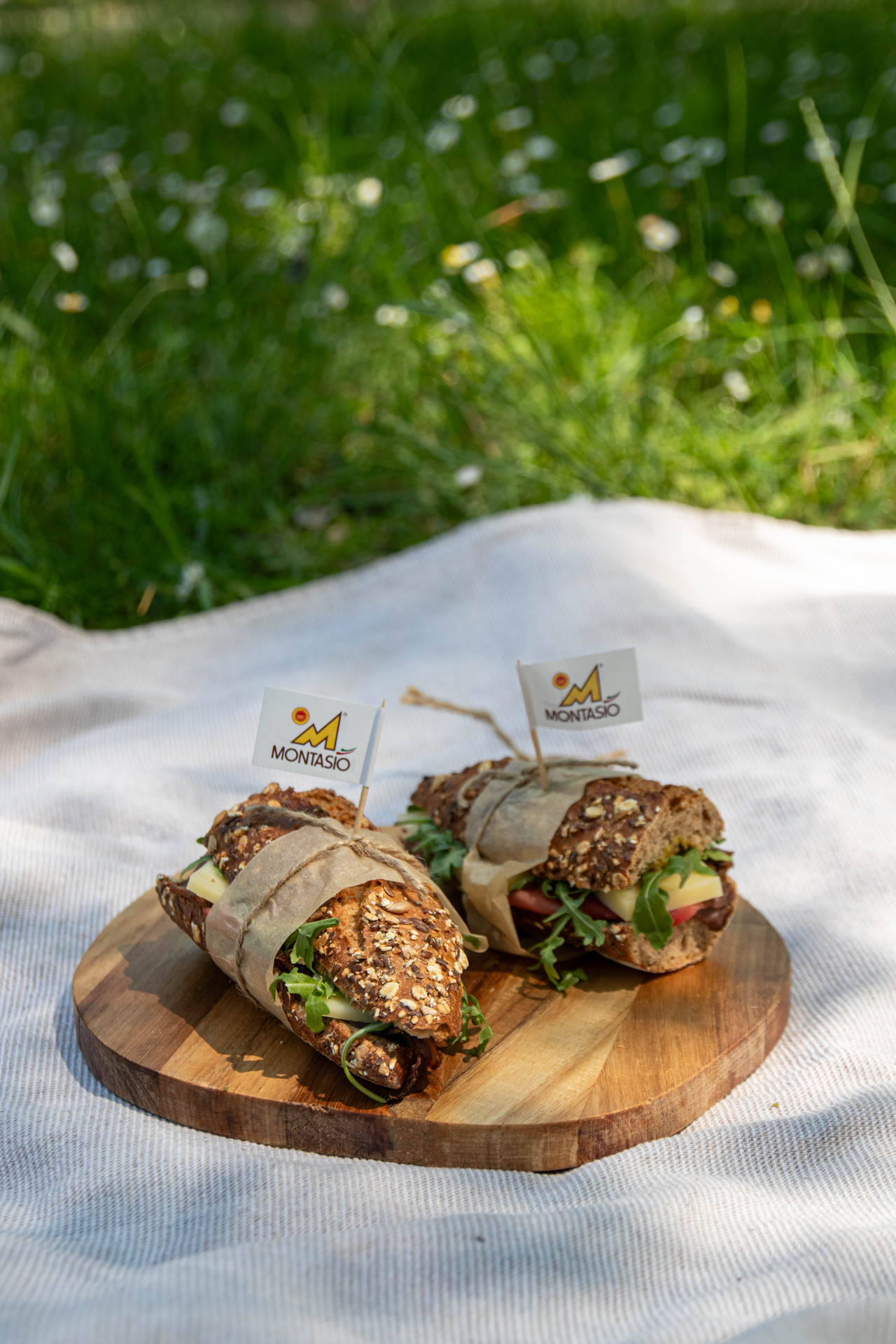
Roast beef sandwich with fresh Montasio, arugula, and mustard

The picnic sandwich is a classic, but we’re turning it into a little symphony of flavors.

Take a rustic bun or ciabatta, spread a bit of mustard (mild or spicy, your call), layer on some thin slices of roast beef, a generous amount of finely sliced fresh Montasio, and a good handful of arugula.

The result? A summer-ready sandwich that’s hearty yet refined—perfect to eat with one hand while holding a cool drink in the other.

Roast beef sandwich with fresh Montasio, arugula, and mustard


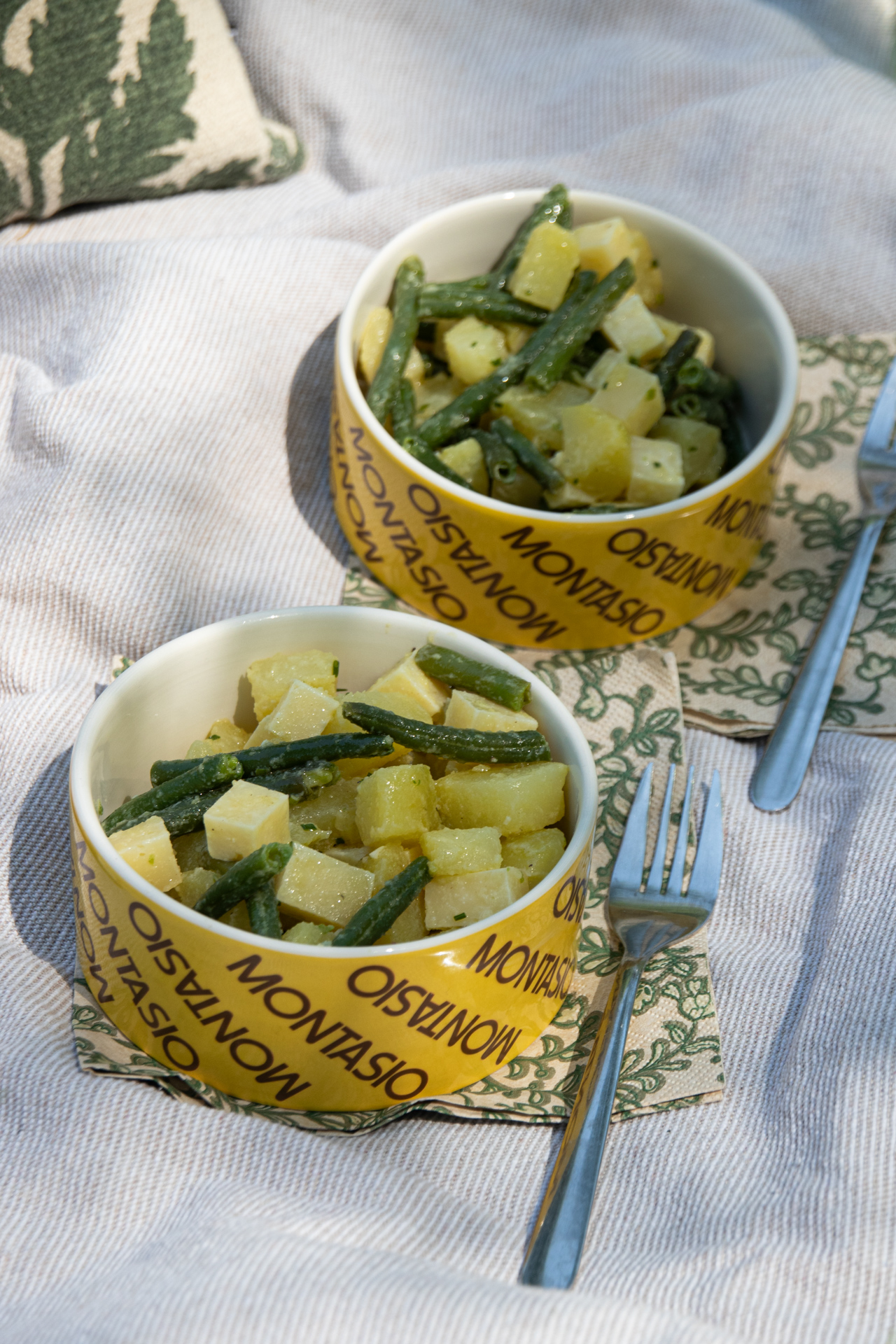
Potato, green bean and Montasio salad: a comforting classic

Simple, delicious the next day, and (bonus!) heat-proof.

Boil some potatoes and green beans (or swap in arugula for a peppery kick), let them cool, then toss with diced Montasio mezzano. Dress with extra virgin olive oil, a pinch of salt, pepper, and a few fresh basil leaves—then chill in the fridge.

This salad travels easily in a jar, is great cold, and makes for a savory treat you can take anywhere.

Potato, green bean and Montasio salad: a comforting classic

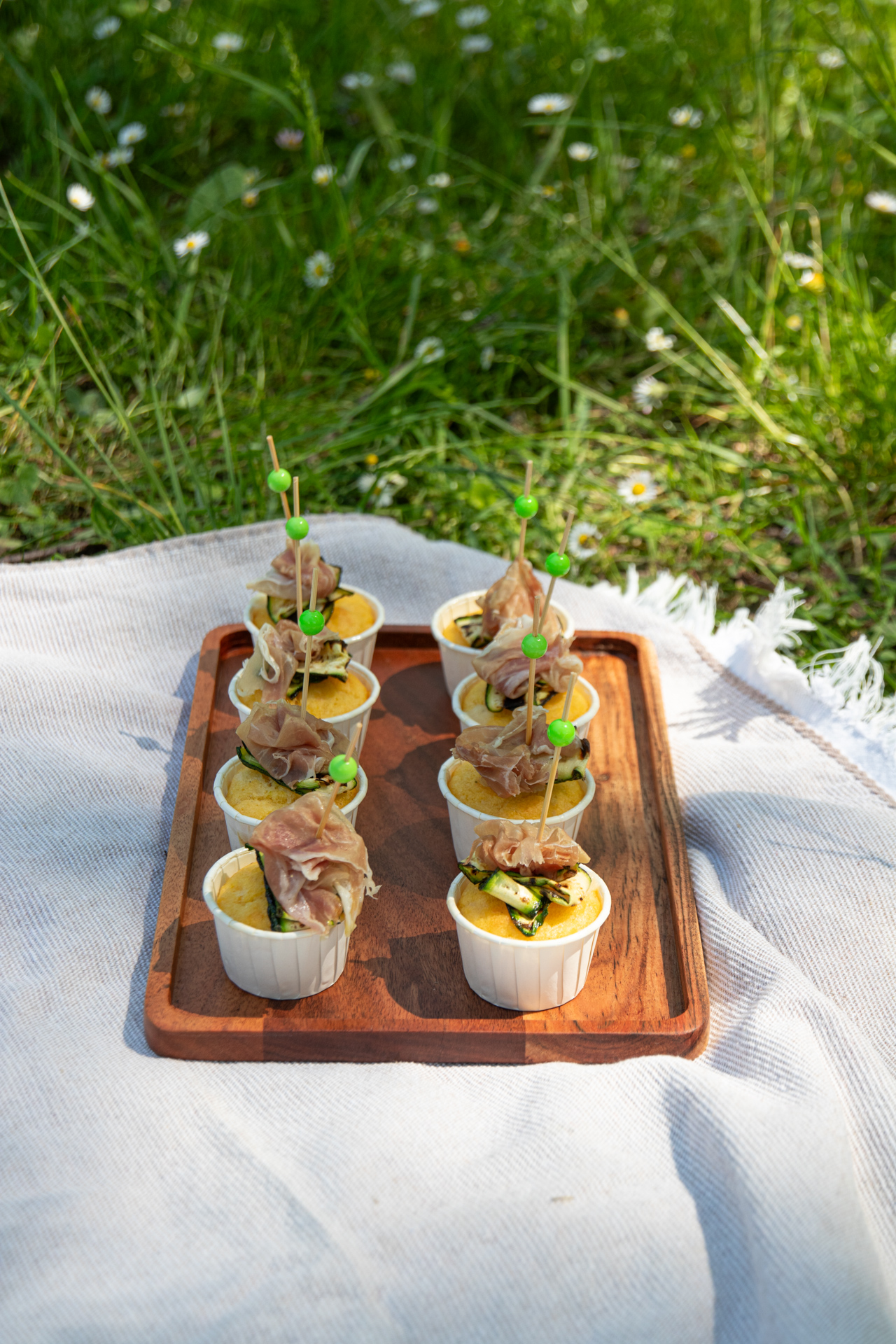
Savory muffins with aged Montasio, cured ham, and grilled zucchini

Savory muffins are picnic perfection: make-ahead, mess-free, and easy to hold.

Prepare a basic muffin batter (eggs, flour, milk, EVOO, baking powder), then add in diced grilled zucchini, bits of cured ham, and a generous handful of grated aged Montasio.

Bake, cool, pack them up—and watch them disappear before you even get the blanket on the grass.


Ricetta pasquale: Gubanetta di pasta fresca alle erbe e formaggio Montasio

GUBANETTA OF FRESH PASTA WITH HERBS AND MONTASIO CHEESE

Easter, as we all know, is a celebration of flavours and traditions. In Friuli Venezia Giulia, in particular, the table is filled with delicacies that tell stories centuries old. Among them stands out the gubana—a rich and enveloping dessert, symbol of festivity and togetherness, lovingly prepared and passed down through generations.

This year, to celebrate Easter with a touch of originality, we’ve reimagined this tradition by creating a savoury version: the gubanetta salata, designed to enhance the authentic flavours of our region. Our gubanetta brings together the aromas of spring, fresh herbs from the meadows, and the intense taste of Montasio cheese.


Ingredients for 4 servings:

150 g semi-aged Montasio cheese
100 g fresh ricotta cheese
20 g aged Montasio
200 g herbs (nettle, mint, chard, dandelion)
200 g flour
2 eggs
salt, pepper, butter, extra-virgin olive oil


Start by preparing the dough: mix the flour with the eggs, a pinch of salt, and a tablespoon of olive oil. Knead until you get a smooth ball, wrap it in cling film, and let it rest for one hour. In the meantime, prepare the filling. Blanch the wild herbs in salted water, cool them quickly in ice water, drain, and chop finely. In a bowl, mix the herbs with ricotta, cubed Montasio (aged 5–10 months), salt, and pepper.

After resting, roll out the dough into thin sheets and arrange strips of filling across the surface. Roll it up to form a long cannellone, then shape it into a spiral. Place the gubanetta on a baking tray, sprinkle with butter flakes and grated aged Montasio (over 10 months), and bake at 180°C (350°F) for about 10 minutes.

While it bakes, prepare a delicious sauce: in a bowl, whisk together a spoonful of boiling water, the remaining grated Montasio, and a knob of butter until creamy. Serve the gubanetta on a bed of this sauce.


A dish that speaks of home, family, and timeless traditions—perfect for making your Easter lunch extra special with the authentic flavour of Montasio cheese.

Happy Easter from Consorzio per la Tutela del Formaggio Montasio!